Selecting the Right Tampon Pad for Successful Pad Printing
Choosing the right tampon pad is essential for achieving successful and efficient pad printing operations. Here are some key factors to consider when selecting a tampon pad:

Material
Tampon pads are typically made from silicone rubber. The choice of material depends on ... factors such as the substrate material, ink compatibility, and the desired printing results.Silicone pads are known for their durability and excellent ink transfer, while rubber pads offer versatility and can be used in a variety of applications.

Hardness
The hardness of the tampon pad significantly impacts ink transfer and image quality. ... Different printing requirements may necessitate pads with varying hardness levels. Softer pads are ideal for delicate or uneven surfaces, whereas harder pads are preferred for precise and detailed printing.

Shape and Size
The shape and size of the tampon pad should correspond with the shape and size of the printing area. ... It is crucial to select a pad that fits the contours of the object being printed to ensure proper ink transfer and accurate image reproduction.

Ink Compatibility
Tampon pads must be compatible with the ink used in the pad printing process. ... Consider factors such as ink viscosity, drying time, and adhesion properties to ensure optimal ink transfer and adhesion to the substrate.

Surface Texture
The surface texture of the tampon pad can influence ink pickup and release. ... Depending on the printing requirements, you may choose pads with either smooth or textured surfaces to achieve the desired results.

Longevity and Durability
Tampon pads should be durable enough to withstand repeated use ... without significant wear or deterioration. High-quality pads are designed to maintain their shape, hardness, and ink transfer properties over time, ensuring consistent print quality and reducing downtime.

Maintenance and Cleaning
Consider the ease of maintenance and cleaning when ... selecting tampon pads. Pads that are simple to clean and maintain enhance production efficiency and prolong the lifespan of the pads.
Find your pads by parameters
Note: If you have any fields of value then put on their field otherwise just click on find button they will show you all posible pads.
Spinks Pads list
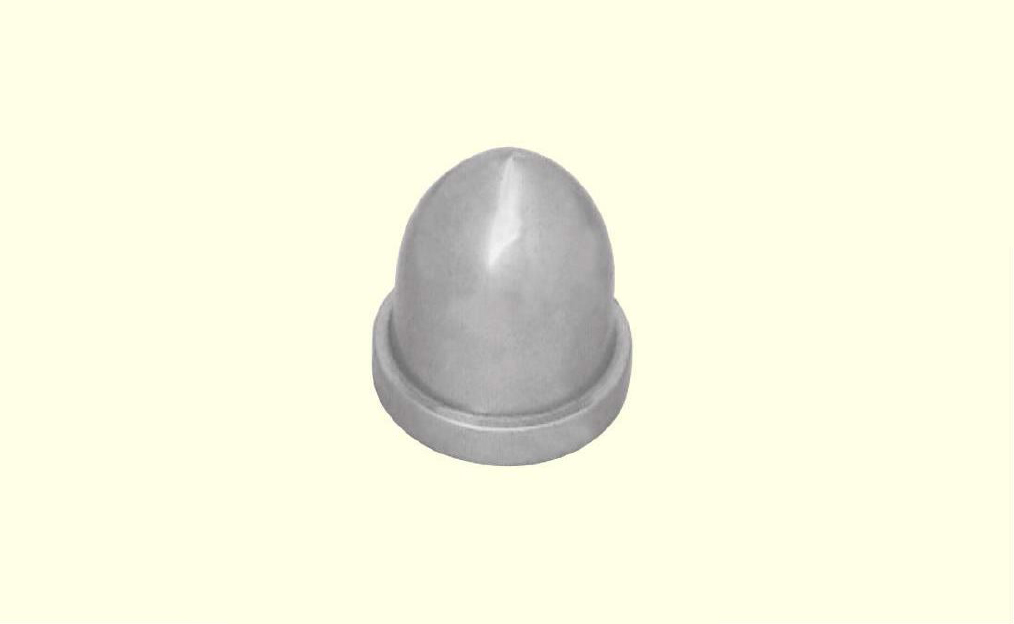
| Pad number | 313-SP |
|---|---|
| Pad Length | |
| Pad Width | |
| Pad Height | 50.5 |
| Base Plate form | Round |
| Material | Wooden |
| View More | |
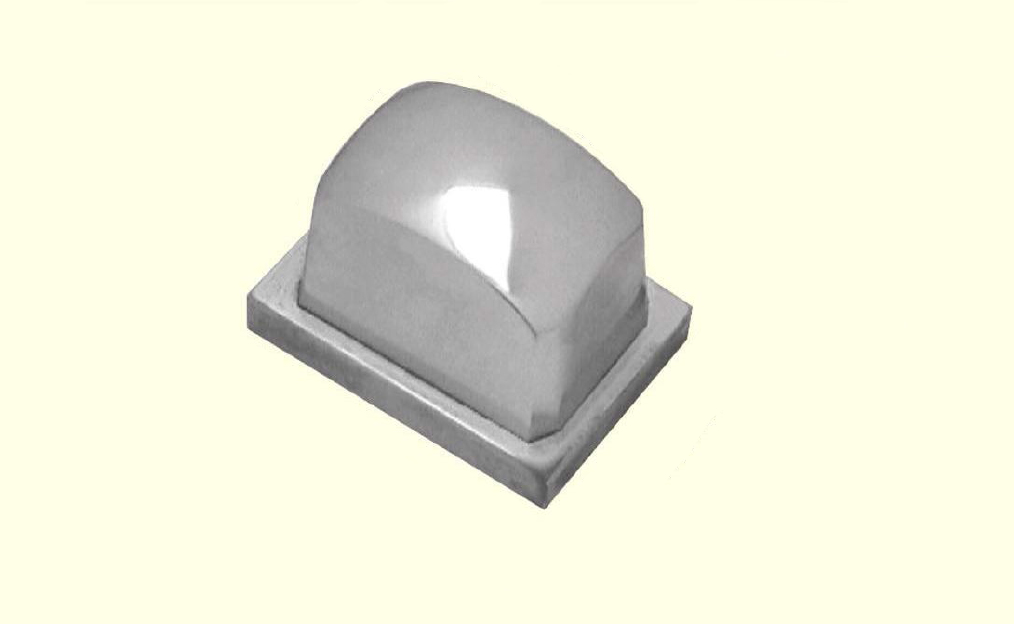
| Pad number | 314-SP |
|---|---|
| Pad Length | 53 |
| Pad Width | 33.5 |
| Pad Height | 47.6 |
| Base Plate form | Rectangular |
| Material | Wooden |
| View More | |
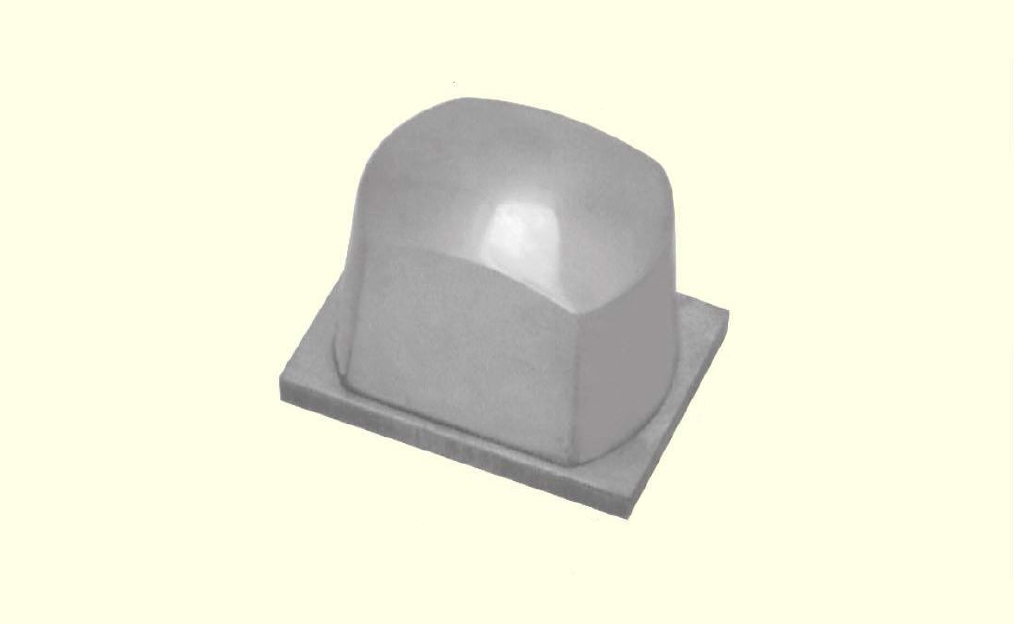
| Pad number | 315-SP |
|---|---|
| Pad Length | 53.5 |
| Pad Width | 37.5 |
| Pad Height | 48 |
| Base Plate form | Rectangular |
| Material | Wooden |
| View More | |
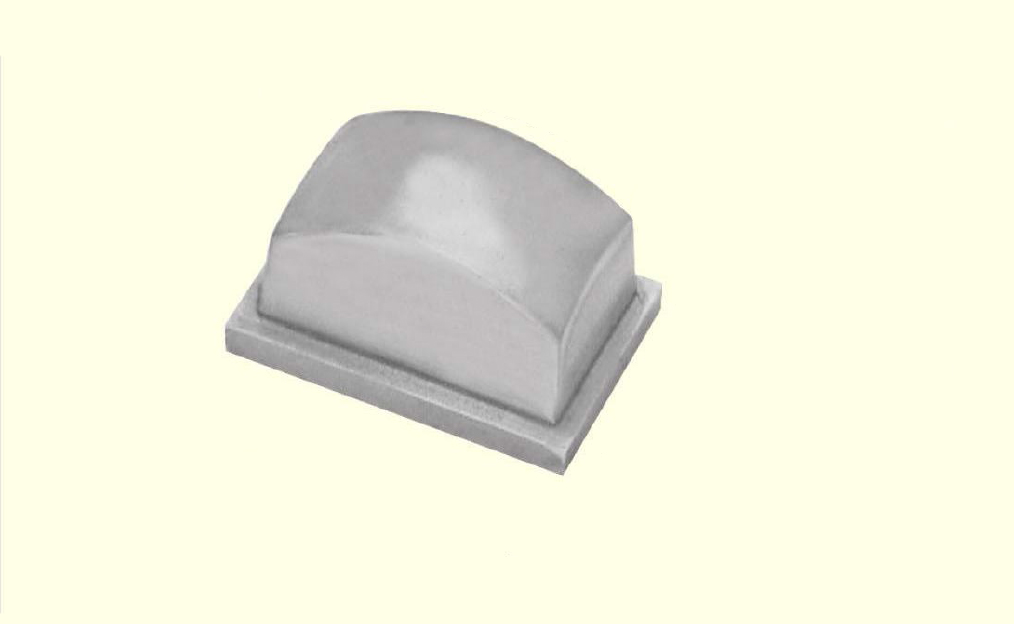
| Pad number | 316-SP |
|---|---|
| Pad Length | 67.3 |
| Pad Width | 38.5 |
| Pad Height | 48 |
| Base Plate form | Rectangular |
| Material | Wooden |
| View More | |
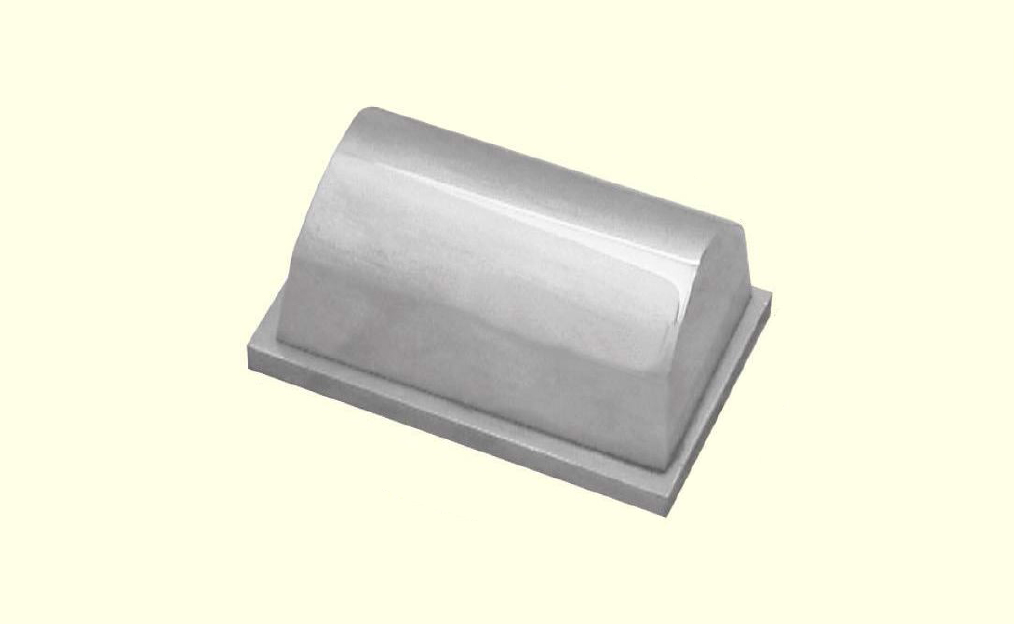
| Pad number | 317-SP |
|---|---|
| Pad Length | 88 |
| Pad Width | 50 |
| Pad Height | 47.7 |
| Base Plate form | Rectangular |
| Material | Wooden |
| View More | |
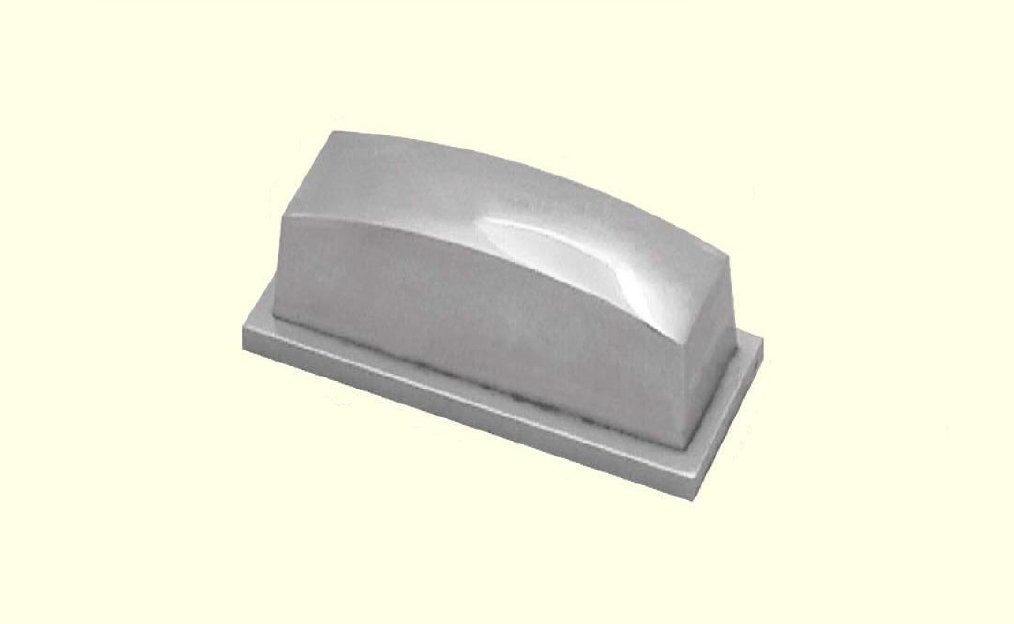
| Pad number | 318-SP |
|---|---|
| Pad Length | 87.4 |
| Pad Width | 24.5 |
| Pad Height | 46 |
| Base Plate form | Rectangular |
| Material | Wooden |
| View More | |
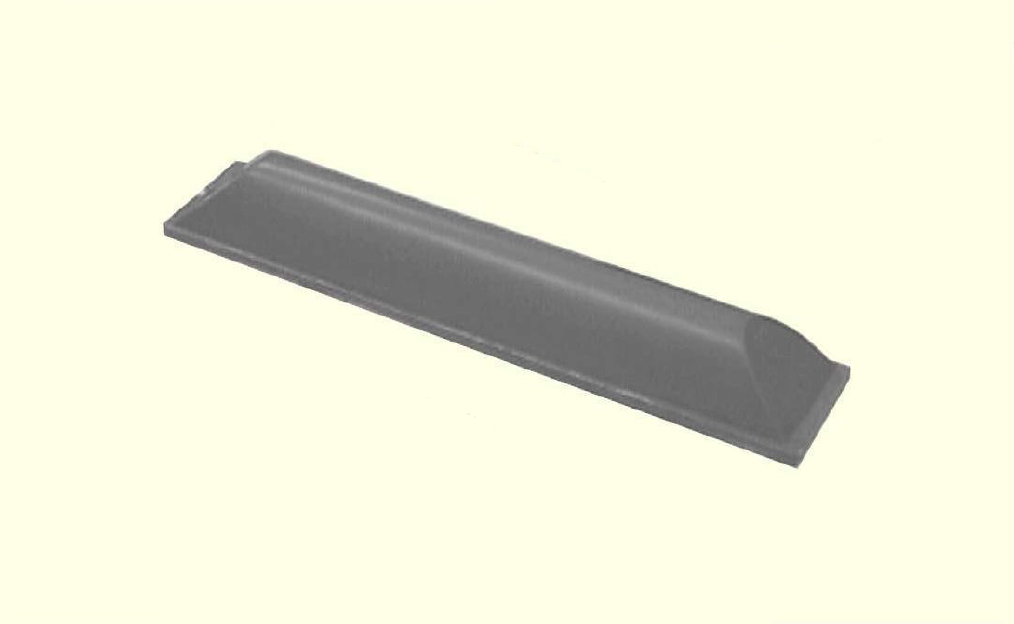
| Pad number | 319-SP |
|---|---|
| Pad Length | 250 |
| Pad Width | 59 |
| Pad Height | 36.2 |
| Base Plate form | Rectangular |
| Material | Wooden |
| View More | |
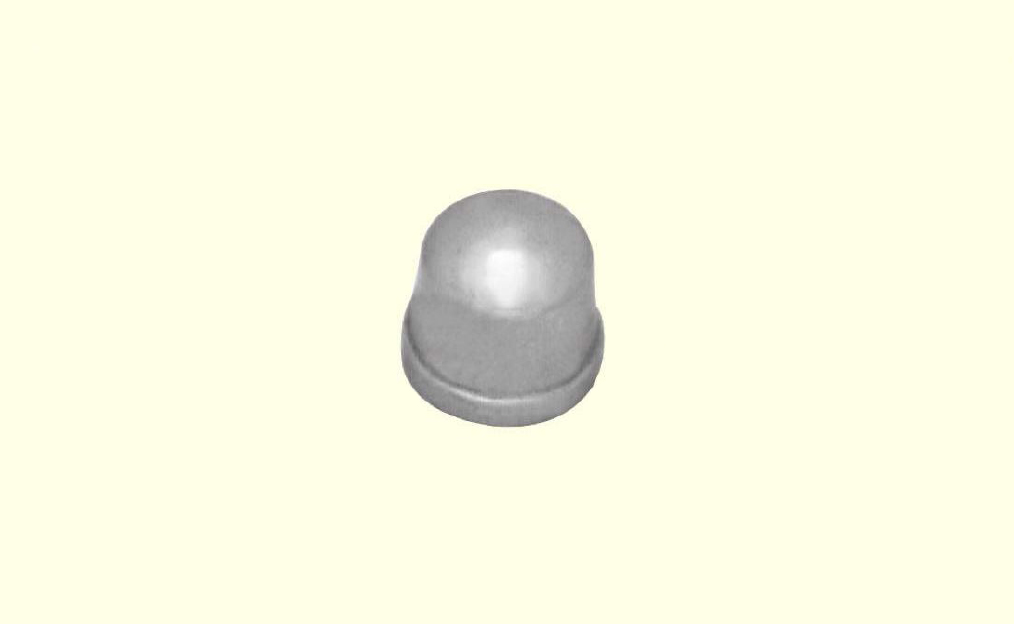
| Pad number | 320-SP |
|---|---|
| Pad Length | |
| Pad Width | |
| Pad Height | 27 |
| Base Plate form | Round |
| Material | Wooden |
| View More | |
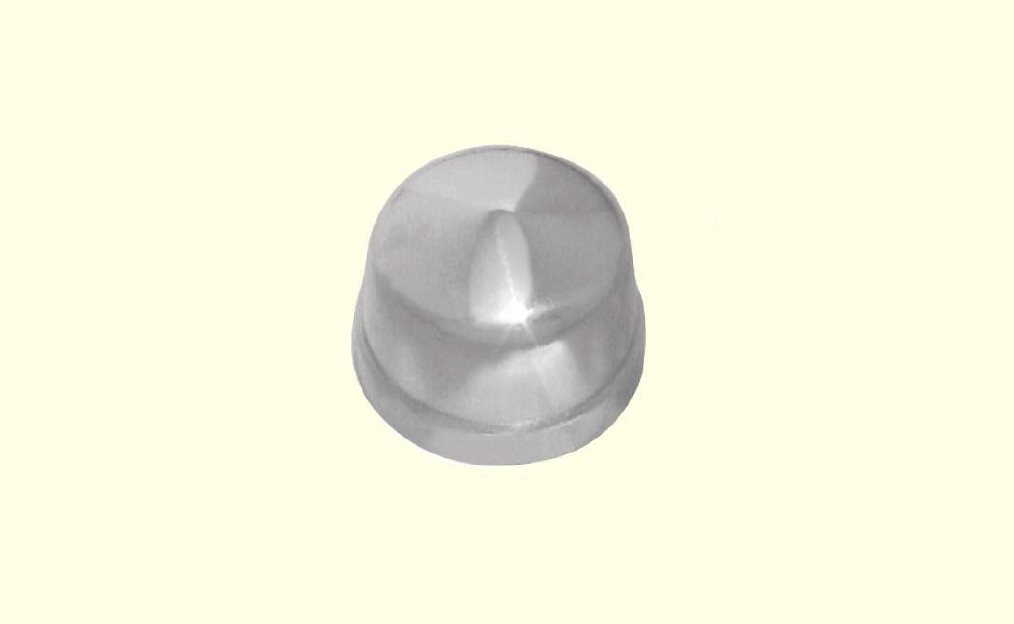
| Pad number | 321-SP |
|---|---|
| Pad Length | |
| Pad Width | |
| Pad Height | 28.5 |
| Base Plate form | Round |
| Material | Wooden |
| View More | |
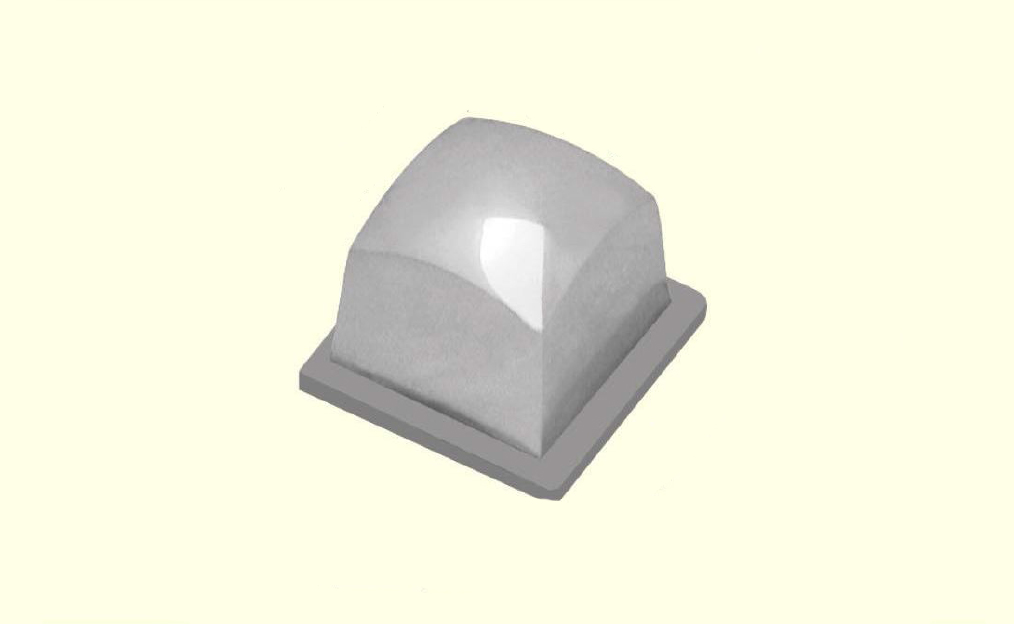
| Pad number | 322-SP |
|---|---|
| Pad Length | 38 |
| Pad Width | 38 |
| Pad Height | 43 |
| Base Plate form | Squared |
| Material | Wooden |
| View More | |

| Pad number | 323-SP |
|---|---|
| Pad Length | 88 |
| Pad Width | 42.5 |
| Pad Height | 59 |
| Base Plate form | Rectangular |
| Material | Wooden |
| View More | |
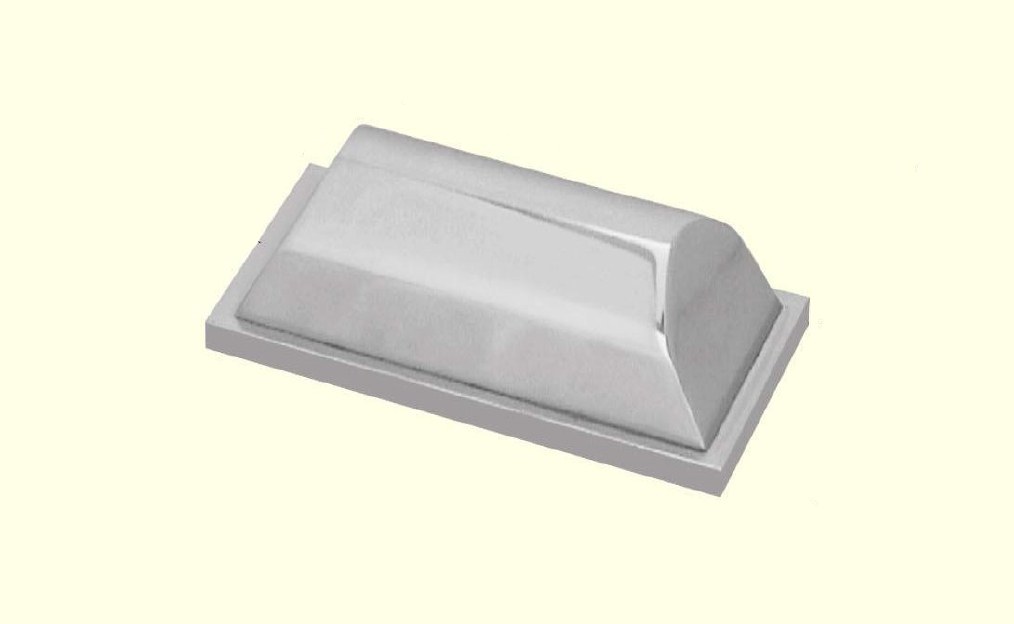
| Pad number | 324-SP |
|---|---|
| Pad Length | 91 |
| Pad Width | 51 |
| Pad Height | 47 |
| Base Plate form | Rectangular |
| Material | Wooden |
| View More | |